
It’s that time of year when everyone feels a little festive, and next year’s goals start lingering in the back of our minds. Some people keep a running list in their heads, while others begin jotting down what they want or need to accomplish in the new year. And of course, we can’t forget the work goals—finding out what the company, division, and department will be aiming for.
When most people hear “goals,” their minds jump straight to health and fitness—joining a gym, eating better after the holidays, or signing up for “Dry January” (or “Dry-uary”). I’ve given that one a go for several years now, and for the most part, I do stick with it and feel better for it.
Whether your goals are health-related, financial, social, spiritual, or a mix of everything, they’re all commitments we try to maintain—sometimes for a short season, sometimes for the entire year. Some goals stick, some don’t, and that’s okay.
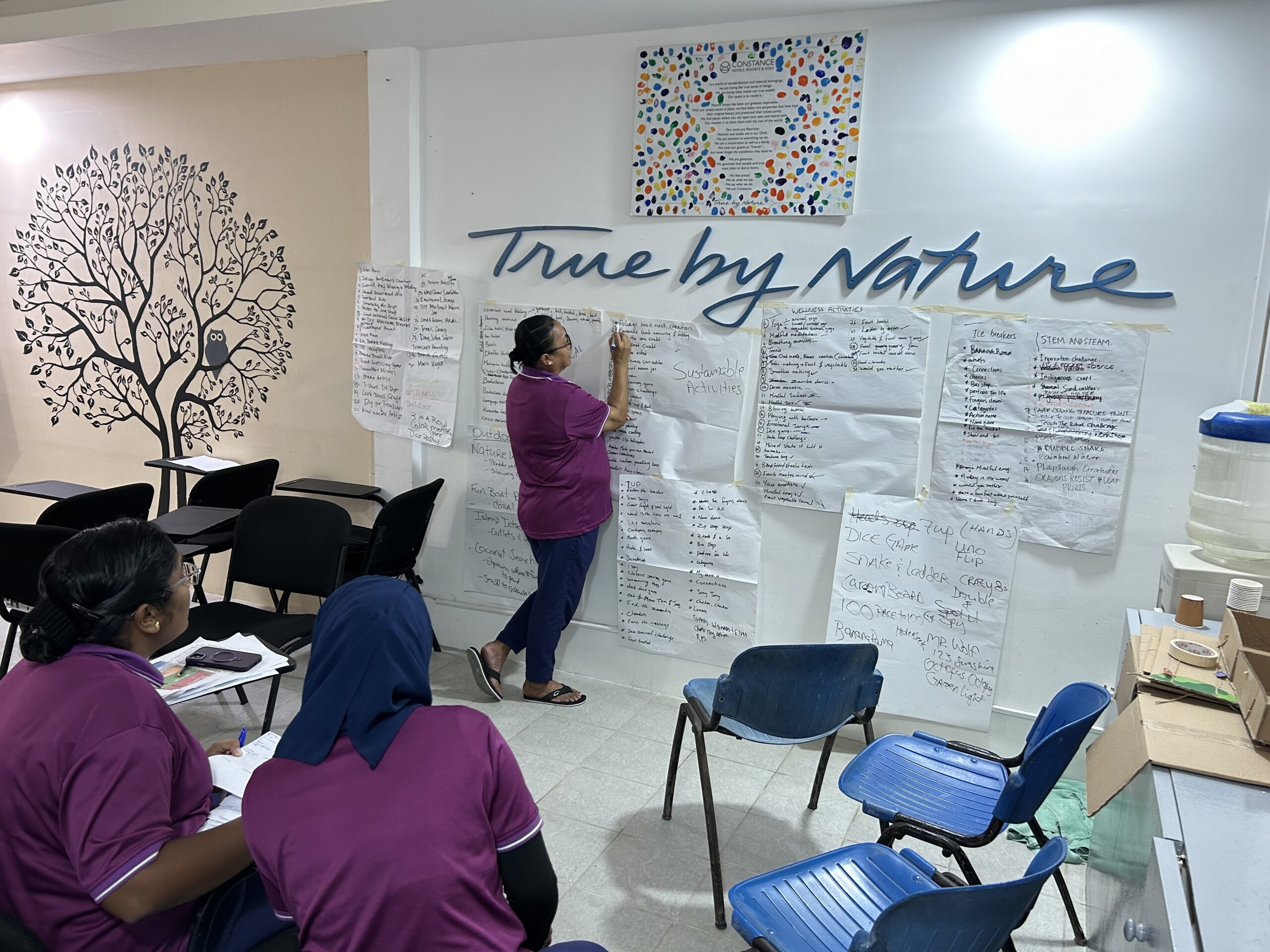
When it comes to work goals, I’ve always believed it’s important to bring the whole team into the process. Achieving year-end goals is a group effort, and collaborating on them not only builds buy-in but also becomes a helpful tool when it’s time for performance appraisals.
During my time at Atlantis Paradise Island, I learned a lot about goal-setting—how to be realistic, how to make goals truly achievable, and how to hold people accountable when they aren’t met. A big takeaway was the importance of tying the company’s overall goals into each individual’s goals, since everyone plays a part in driving guest satisfaction. From there, you can personalize individual goals with the specific tasks they need to complete throughout the year.
One question that always stuck with me in those conversations was:
“How do you measure success?”
Here are a few ways:
1. Set Clear Goals
Everyone should know exactly what they’re working toward. Ask yourself:
What does “done” or “improved” look like?
2. Compare Against Your Own Standards
Success doesn’t have to mean outperforming others. Instead ask:
Am I better than yesterday? Am I moving in the direction I want?
3. Use Quantitative Metrics
Numbers keep things concrete and measurable. For example:
- Sales targets: Look at last year’s numbers and set a realistic increase—maybe 2% rather than 5%.
- Deadlines: Break down goals by quarter or by the end of the year, just be sure to add specific dates for each goal listed. For example:
- 2 new crafts by March 30, 2026
- 2 new outdoor games by June 30, 2026
- 5 new kids’ jokes by September 30, 2026
- Holiday responsibilities: Assign Easter, Halloween, or other events to specific team members, and break those big projects into smaller goals—F&B finalized by this date, costumes ordered by this date, candy secured by this date, etc.
- Savings goals: Track how much you save by using more sustainable craft supplies.
- Health/fitness metrics and project completion rates can also be measured.
4. Track Progress, Not Just Outcomes
Success is more than the final result. It includes the skills gained, habits formed, and milestones reached along the way.
5. Celebrate Small Wins
Recognizing progress keeps motivation high, especially during mid-year or year-end appraisals. Pointing out what the team has already achieved gives them a boost to keep going.
On another note, be sure you create a Mission, Vision, Goal statement for your department. If your department doesn’t have one, build it. I’ve created these for teams I’ve led or consulted for, and they become daily reminders of what you’re working toward. Having it in writing brings clarity, accountability, and purpose—and it’s useful during annual reviews.
Whether you’re setting goals for work or personal growth, don’t just write them down—be specific. The more detail you include, the more value you’ll get from your hard work.
And the great thing about personal goals is that even if you don’t stick with them perfectly, you still build skills and form better habits. Every attempt moves you in the right direction, and if you’re anything like me, you pick back up where you left off and keep adding to the progress you’ve already started.
Favorite Quotes:
“Start where you are. Use what you have. Do what you can.” —Arthur Ashe
“The thing about goals is that living without them is a lot more fun, in the short run. It seems to me, though, that the people who get things done, who lead, who grow and who make an impact…those people have goals.” – Seth Godin
Next Up: A look back and what’s next…